
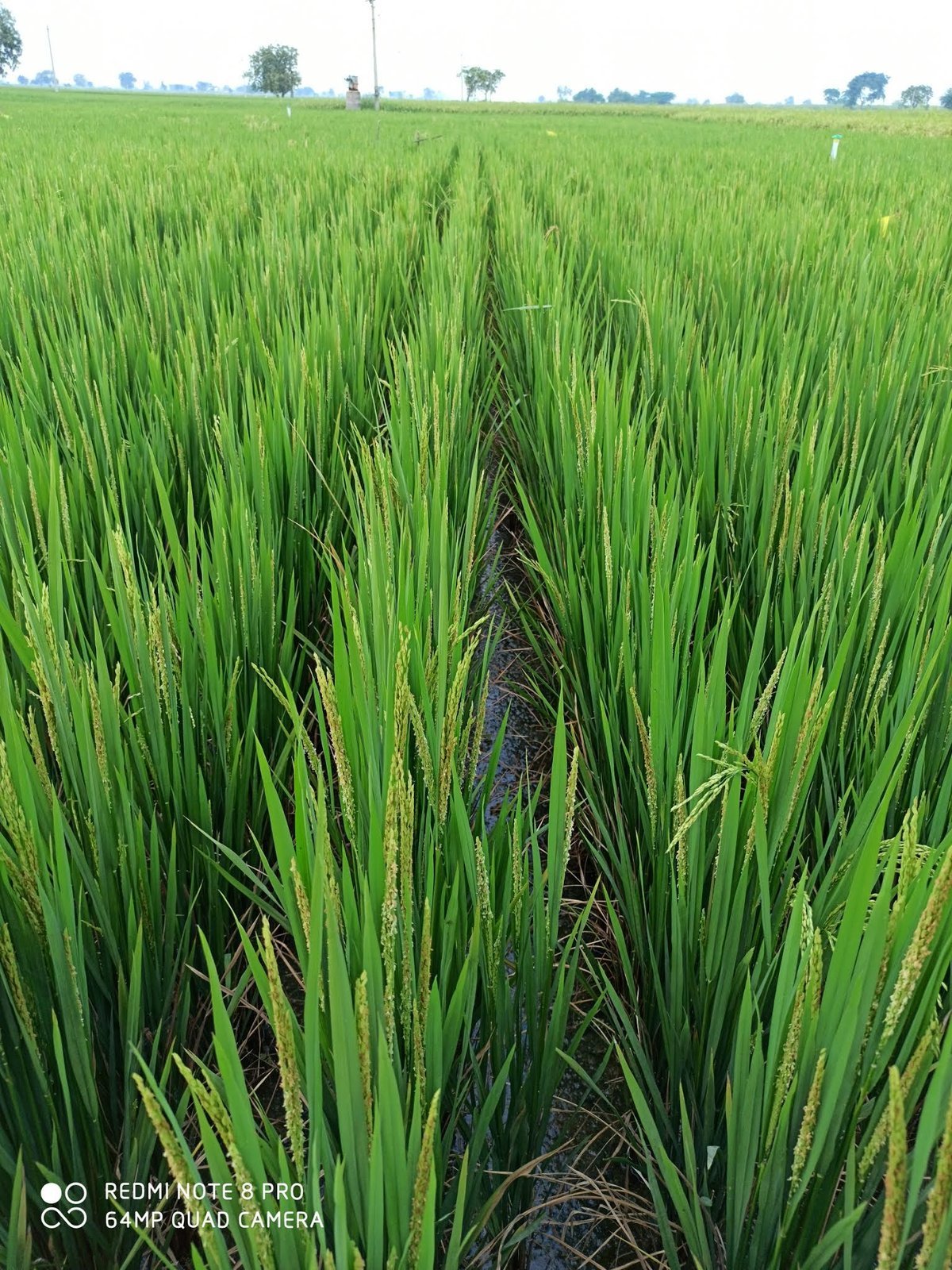
File photo: a paddy field in Andhra Pradesh. Vedic.woman. Paddy field in Andhra Pradesh, India.jpg. Wikimedia Commons. Source URL. Published under CC BY-SA 4.0. Cropped and resized.
Cyclone Murasu has destroyed standing crops over 52,459 hectares in Andhra Pradesh, with preliminary losses estimated at Rs 344 crore, The Hindu reported. For farmers enrolled in the Pradhan Mantri Fasal Bima Yojana (PMFBY), the days right after such a storm are when a claim is won or lost.
Check the first box: is your crop and area notified
PMFBY covers only crops notified by the state government for your district in that season, and only farmers who enrolled and paid the premium share before the season cut-off. The scheme’s operational guidelines list cyclone among the covered non-preventable risks for the standing crop, and inundation among the covered localized calamities. If your crop or village was not notified this season, the PMFBY route is closed; any relief in that case would depend on separate state disaster assistance, where the state’s own norms decide eligibility.
Two kinds of damage, two claim routes
Widespread damage across an area, which is what a cyclone typically causes, is assessed on yield data: the insurance company compares the season’s actual yield against the threshold yield for the notified area, and claims are calculated automatically for all insured farmers in that area. There is nothing individual farmers need to file for this part. Localized calamities such as inundation, hailstorm or landslide, and post-harvest losses, work differently: the individual farmer must report the damage.
The 72-hour reporting window
For localized calamity and post-harvest claims, the operational guidelines require the insured farmer to intimate the loss within 72 hours of the event, with survey-number-wise details of the insured crop and the acreage affected. The intimation can go directly to the insurance company, the farmer’s bank, local agriculture department or district officials, the centralised toll-free claim number, or the National Crop Insurance Portal, and premium payment is verified from the portal or the bank. One insurer’s published process also suggests evidence such as a local newspaper report of the event, as applicable.
What happens after you report
For localized claims, a joint survey of the affected field is conducted with the insurer’s representative, and the loss is assessed plot by plot. For area-wide claims, the state shares yield data on the National Crop Insurance Portal and the payout is computed from the shortfall against the threshold yield. The guidelines require claims data to move through that portal, so keeping your enrolment receipt, land records and bank details consistent matters more than anything you write in an application.
The short version: if a cyclone has hit your notified crop, confirm your enrolment is in order, report any localized or post-harvest loss within 72 hours through the insurer, your bank, the local agriculture department or district officials, the centralised toll-free claim number, or the crop insurance portal, and keep evidence of the event. The area-wide part of the claim moves on official yield data whether or not you file anything.