
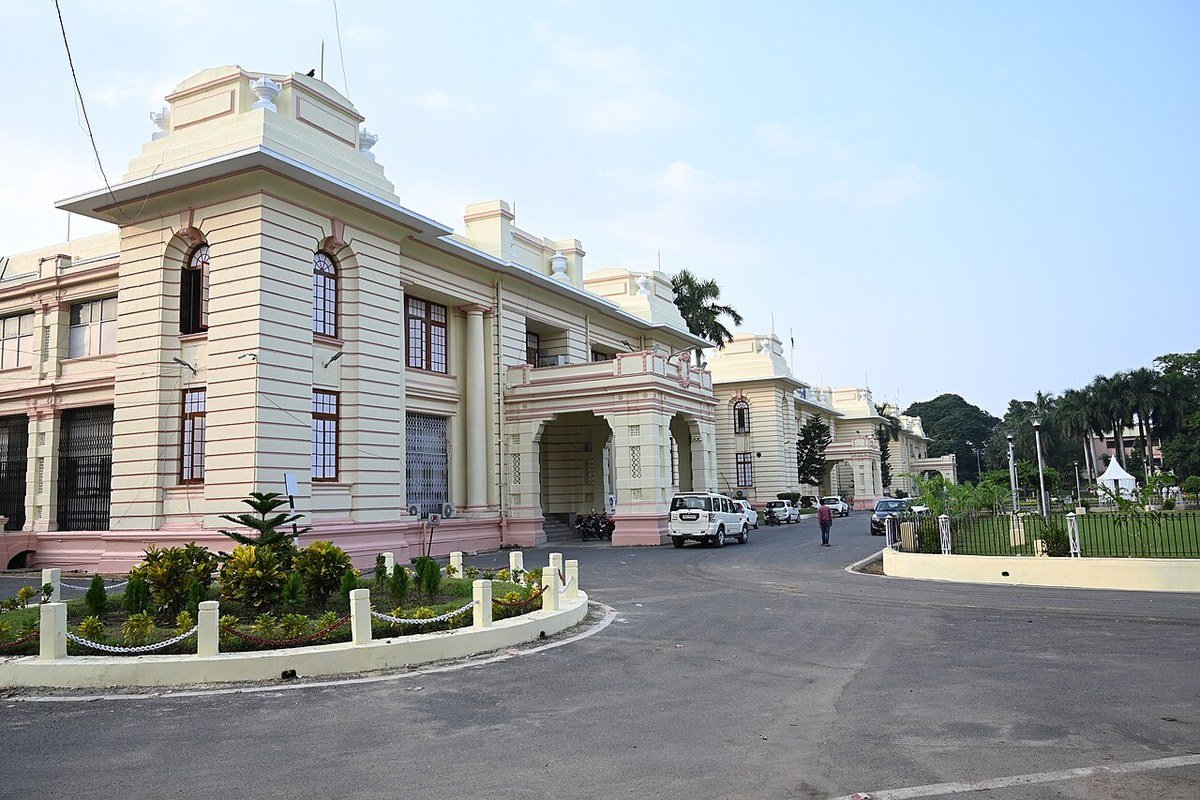
File photo: Bihar Vidhan Sabha building, Patna, October 2021. Itcell.bla, 2021. Bihar vidhan sabha 1.jpg. Wikimedia Commons. Source URL. Published under CC BY-SA 4.0. Cropped and resized.
Bihar’s latest Legislative Council results came from constituencies most voters never see on a ballot: teachers’ and graduates’ seats. Polling for eight such biennial seats was held on October 23, with 82.85% turnout in the teachers’ constituencies and 53.42% in the graduates’ constituencies, The Hindu reported. Here is how these seats work.
Not a general election
Members of a state Legislative Council (Vidhan Parishad), where one exists, are not all directly elected by the general public. Some are elected by special electorates: graduates of universities in the state, teachers, and local-authority representatives. Others are elected by the Legislative Assembly or nominated.
Who votes in these seats
A graduates’ constituency is voted in by registered graduates resident in that area; a teachers’ constituency by registered teachers. Eligible voters must be enrolled on the separate electoral rolls maintained for these constituencies, which is why turnout figures look very different from assembly elections.
Preferential voting
Council elections by these electorates use preferential ballots, so results can turn on second-preference votes. In Saran this week, independent candidate Rahul Raj won on the basis of second-preference votes, AajTak reported.
Why the counting takes time
Counting preferential ballots is slower than first-past-the-post counting, and results for the four graduates’ seats were still awaited after the four teachers’ results were declared.