India Explained
EC's 248-page reply
In a 248-page affidavit filed on October 26, the Election Commission told the Supreme Court that all three orders scheduling the Special Intensive Revision of electoral rolls were unanimous decisions of the full Commission.
Source: India Today
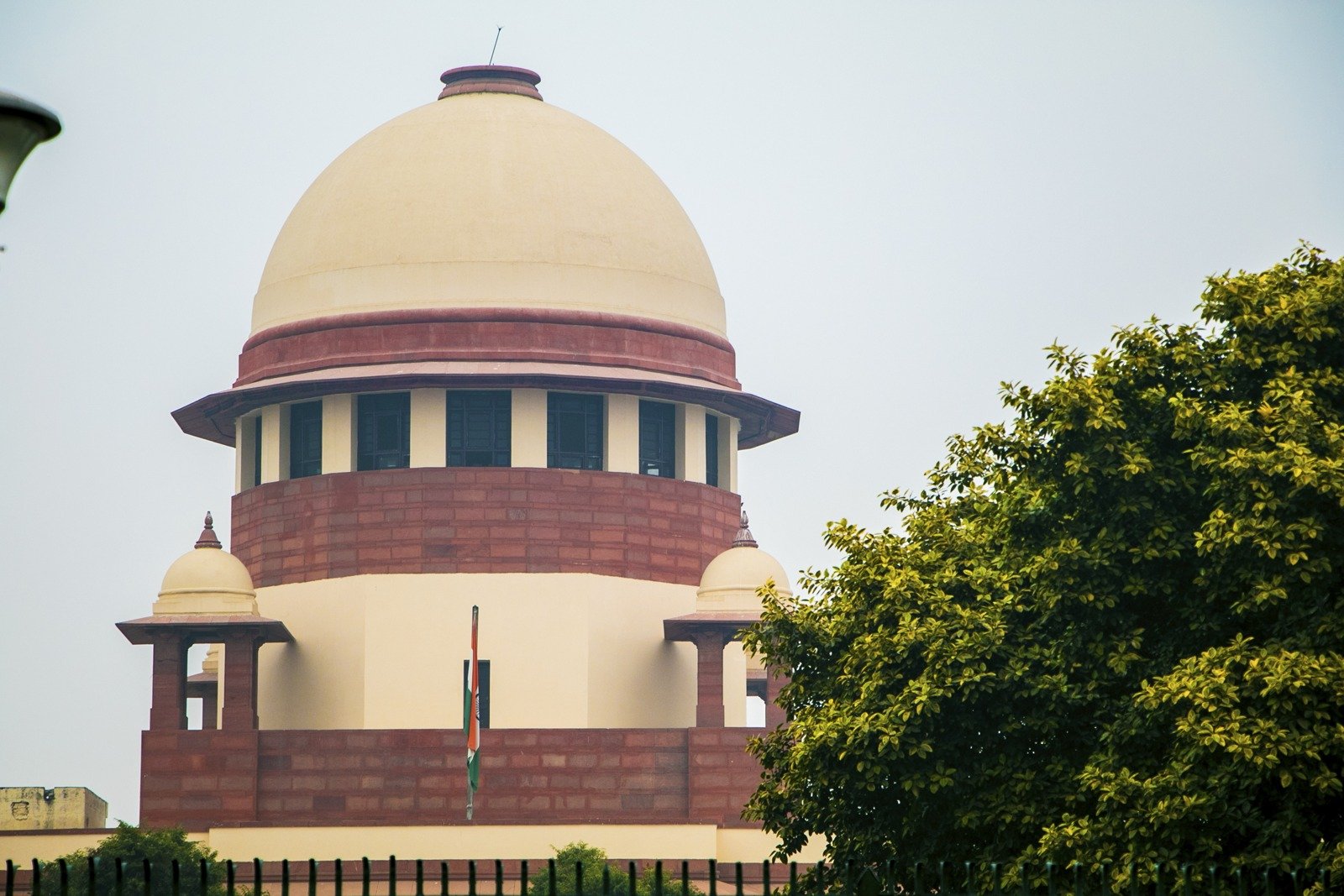
File photo: Supreme Court of India, New Delhi, 2019. Not a hearing scene.
Photo: Supreme Court of India.jpg. Resized for this story; photo adaptations under CC BY-SA 4.0. 2017-2019. Subhashish Panigrahi. CC-BY-SA 4.0.
India Explained
What the case is about
Petitions against Chief Election Commissioner Gyanesh Kumar followed a report that the two other Commissioners had recorded objections at least 14 times over ten months on SIR decisions. A bench led by the Chief Justice of India heard the matter on October 27.
Source: India Today
File photo: Supreme Court of India, New Delhi, 2019. Not a hearing scene.
Photo: Supreme Court of India.jpg. Resized for this story; photo adaptations under CC BY-SA 4.0. 2017-2019. Subhashish Panigrahi. CC-BY-SA 4.0.
India Explained
Form 6 not amended, EC says
The Commission denied amending Form 6. It said the SIR declaration was a separate document, but conceded that showing it on the online Form 6 page 'could be construed' as an amendment; online applications were split into two parts on October 21.
Source: India Today
File photo: Supreme Court of India, New Delhi, 2019. Not a hearing scene.
Photo: Supreme Court of India.jpg. Resized for this story; photo adaptations under CC BY-SA 4.0. 2017-2019. Subhashish Panigrahi. CC-BY-SA 4.0.
India Explained
Letters to Cabinet Secretary
The affidavit confirms the two Election Commissioners wrote to the Cabinet Secretary over a July 28 office order on internal work allocation. The EC says the order 'was never implemented' after their joint direction on July 30.
Source: India Today
File photo: Supreme Court of India, New Delhi, 2019. Not a hearing scene.
Photo: Supreme Court of India.jpg. Resized for this story; photo adaptations under CC BY-SA 4.0. 2017-2019. Subhashish Panigrahi. CC-BY-SA 4.0.
India Explained
BLO home visits
The Commission says it unanimously decided on September 26 that booth-level officers will visit the homes of people who received SIR notices to collect documents, so they need not appear in person; hearings will be exceptional and preferably online.
Source: India Today
File photo: Supreme Court of India, New Delhi, 2019. Not a hearing scene.
Photo: Supreme Court of India.jpg. Resized for this story; photo adaptations under CC BY-SA 4.0. 2017-2019. Subhashish Panigrahi. CC-BY-SA 4.0.
India Explained
Dismissal sought
The EC says the petitions rest on a single newspaper report, which 'is not treated as evidence' of the facts it narrates, and has sought summary dismissal. At the hearing, the court gave the petitioner 10 days to reply to the EC's affidavit and deferred the case until after Diwali.
Source: Times of India
File photo: Supreme Court of India, New Delhi, 2019. Not a hearing scene.
Photo: Supreme Court of India.jpg. Resized for this story; photo adaptations under CC BY-SA 4.0. 2017-2019. Subhashish Panigrahi. CC-BY-SA 4.0.